VR Onboarding Experience for Marfa
A unique card-picking onboarding experience that introduces audiences to Marfa.
Marfa is a narrative space that immerses the audience in different environments to encourage them to reflect on their own past experiences and emotions.
*My design implemented in VR. Find full implementation walkthrough below.
Project type
Immersive experience
Roles
Concept & UX Design Lead
Visual Designer
Timeline
July 2023 - May 2024
Team
Chloe G., Director
Shimin G., Software Engineer
Yiran W., Technical Artist / Sound Designer
Wenyi Z., VFX Artist
Junling Z., Scene Designer
The Design Challenge
My assessment
Design Solution
Before I designed an onboarding experience, feedback collected from Marfa’s prototype showcase points out that despite audiences liked the stunning environments in VR, they are confused about the meaning of their experience.
The audience are confused because they’re not contextualized for the core experience (Self-Space)
To solve the problem, I ideated a solution that invite the audience to self-identify with the content within Emotional Spheres:
*click to enlarge any image on the site
An onboarding process that prompts audience to select cards they resonate with.
Their selection of cards determine which Emotional Sphere they will experience.
Premise
The final onboarding experience is designed to elicit personal reflection through symbolic cards. Users are invited to interpret the imagery, creating a subjective narrative without predefined evaluation. The goal is not to categorize users but to foster introspection, helping them form a deeper connection between their choices and the immersive environment of Marfa.
*Other cards are flipped back due to a lack of visual for now.
Card Concept Deck
Embark your journey in Marfa!
Now the audience established a personal connection with the experience, while the system also learns which core experiences (scenes) the audience best identifies with.
*Due to Non-Disclosure Agreement, I cannot share the full narrative experience.
Delivered Experience
First. The audience picks 1 ‘treasure’ card
I designed 6 treasure cards, representing all possible kinds of aspirations for any individual.
In my concept sketch, I brainstormed symbolic objects that enable the audience to intuitively pick the right card representing their own values.
Prototype introduction showcasing Ann picking a card corresponding to her artistic dreams.
Next. The audience picks 3 ‘mindset’ cards
These cards represent diverse mindsets people adopt when making life-impacting decisions.
The audience project their interpretation onto the cards’ imagery. The 3 mindsets they identify with determine which 3 corresponding experiences they will see in the VR narrative.
To frame the audience effectively, I designed each card’s concept sketch to symbolically represent the narrative linked to it.
Selecting different cards invokes experiences reflecting on those mindsets.
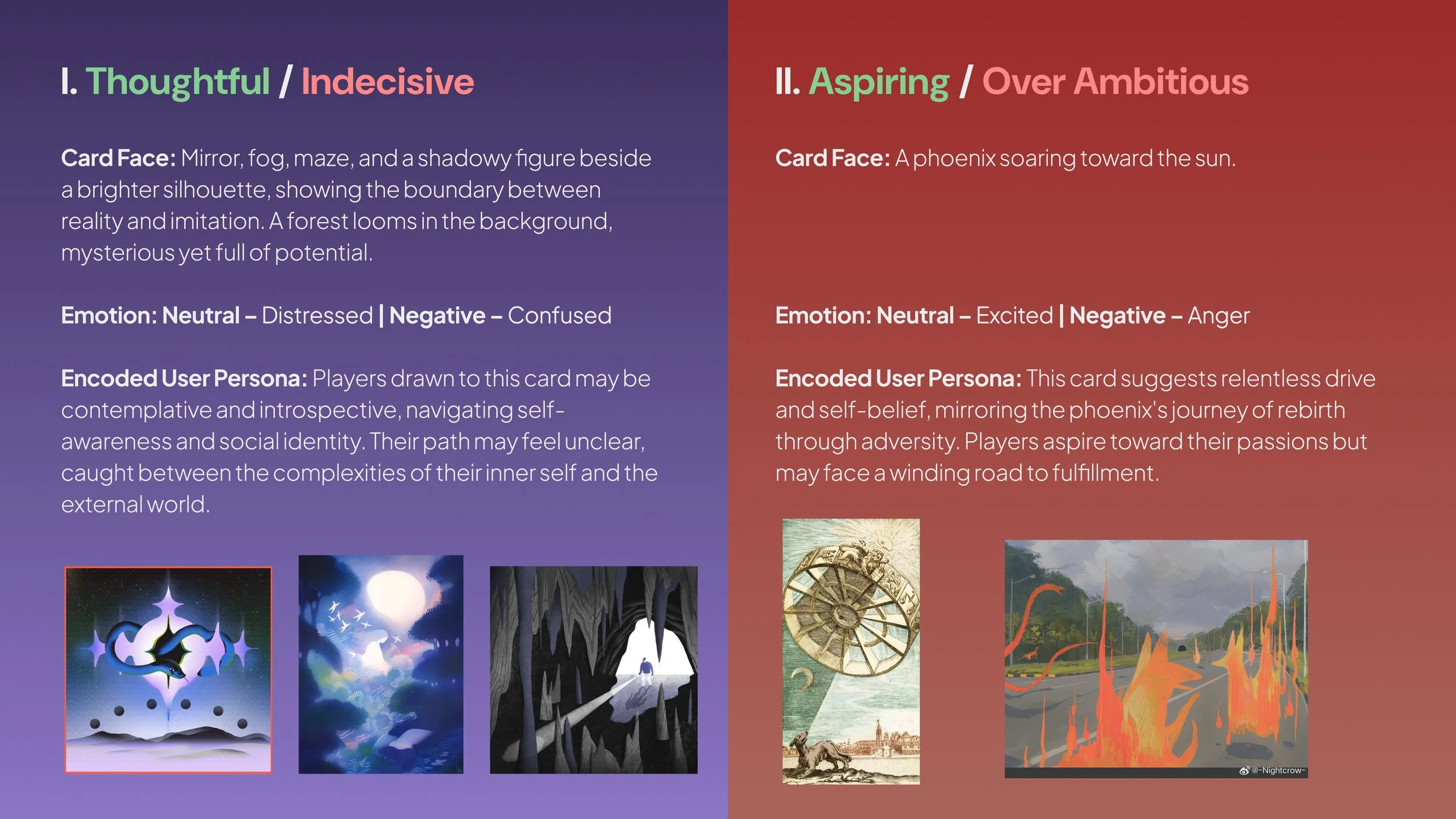
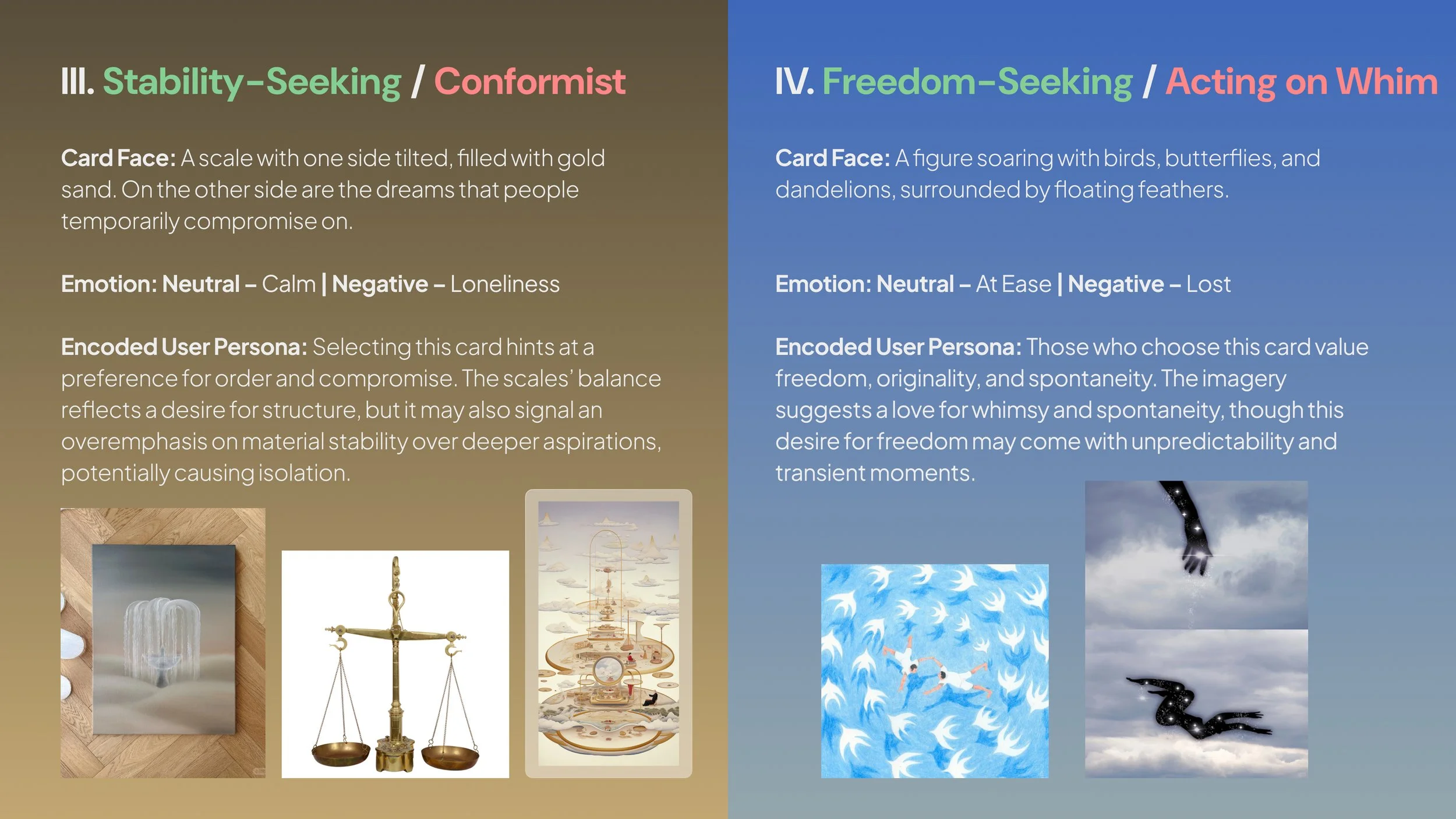
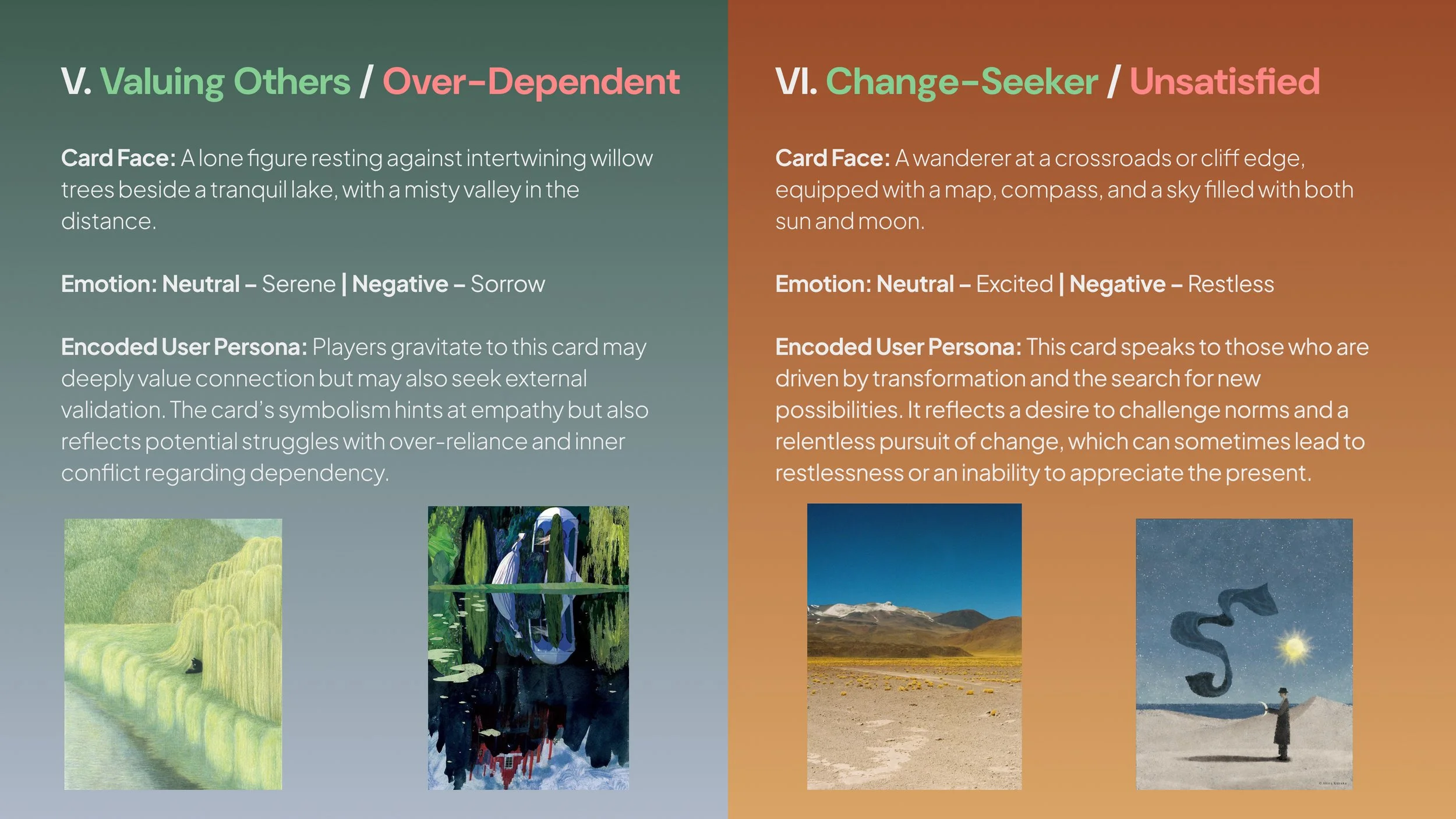
Design Iterations
Initial Exploration
Iteration 1
Pick your questions…
Pick your Card?
I need a design that more explicitly connect the player with the experience we provide for them. Therefore, the onboarding experience should allow player to input their personal information.
At the same time, my solution must be entertaining.
Feeling uninspired in the beginning, I started with the most basic Q&A format:
Iteration 2
Iteration 3
This layout stood out as interesting: The question is framed in a card format, with a visual that contextualizes the audience to the specific question
I then played with different Q&A format: e.g. Let the audience randomly pick questions, instead of forcing them with a set of questions? This might make answering questions more fun.
… and an epiphany is about to form
We all like picking cards. What if it’s just this?
Without the boring questions, can the system still learn from the audience to deliver the most relevant experience?
Without long instruction text, can I still contextualize the audience with meaning to prepare for the upcoming experience?
What if the card itself tells some clear story, and the audience pick the story they resonate with?
This would allow the audience to
(1) express their own value and personalities and
(2) feel personally connected to the experience.
Method Inspirations
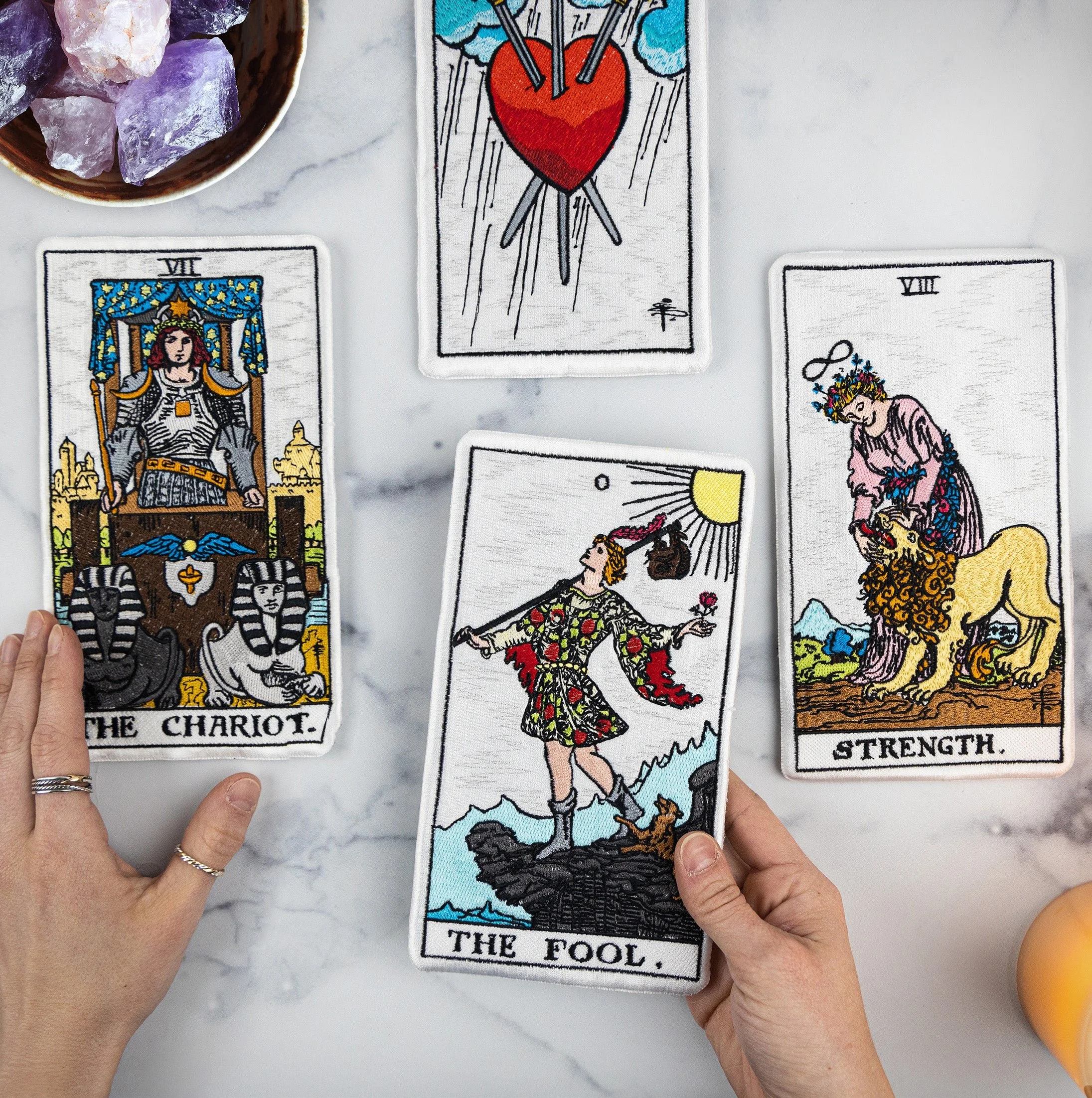
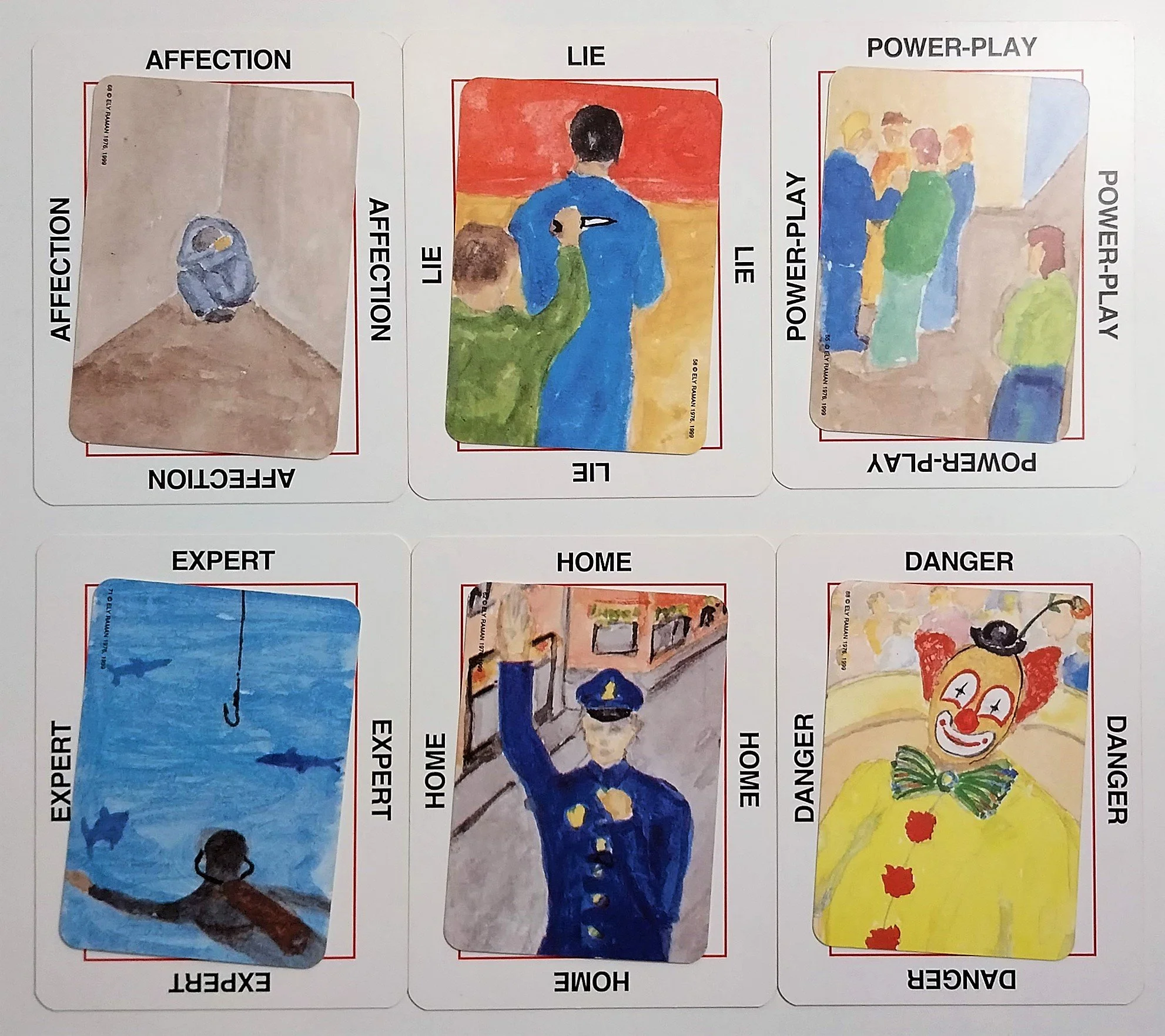
OH Cards
OH Cards encourage self-exploration through open-ended visuals without fixed meanings.
When designing each card, I applied this idea to invite participants to personalize meaning.

Cartomancy
Tarot, for example, uses rich imagery and symbolism to induce users to project personal meanings onto arbitrary results, fostering trust in a process without real validity.
Drawing inspiration from this, I introduced cards to the onboarding process to enhance audience engagement with Marfa by encouraging personal connections, stronger identification, and trust with the experience.
Narrative Therapy
Narrative therapy views life as a series of stories, which an individual can reinterpret to reframe their past in a more empowering way.
Integrating this idea to card selection, I aimed to draw out personal stories from the audience as they interpret cards in their own context.
This approach enhances Marfa's goal of encouraging participants to reflect on their experiences within the immersive environments.
Many more iterations to go… And eventually I arrived at the design you see above.
My Learnings
VR design principles
Designing for an experience inside immersive space brings additional considerations from designing a 2D interface where the user mainly interact using a mouse. As the audience turn their head and lift their arm to navigate the space, VR design welcomes a whole new interactive dimension - designing the user’s ideal motion.
Entertainment design
Ideating interactive experiences that can make the audience feel interesting and emotional invites me to a new realm beyond product design’s premise of identifying the user’s need and provide solutions for them. For any entertainment, the audience really has no need — therefore no reason — to use our design. Thinking about what the user wants and designing experiences around that to spark their desire to interact with the product has become a long-lasting challenge that deeply fascinates me.